What most people get wrong about mandalas

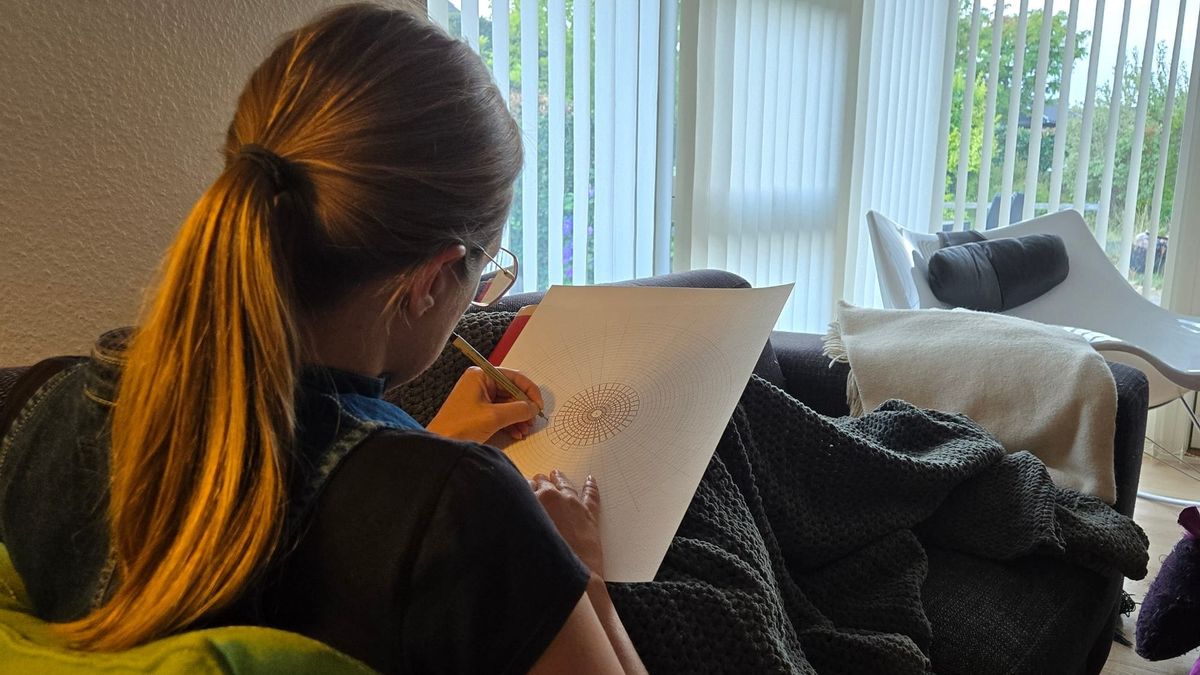
I've been working with mandalas for more than ten years now — as an artist, a teacher, and honestly, as a way of making sense of my own life. In that time, I've heard the same handful of misunderstandings again and again. So I thought it was about time I gathered them in one place.
Here's what most people get wrong about mandalas.
Mandalas are only spiritual
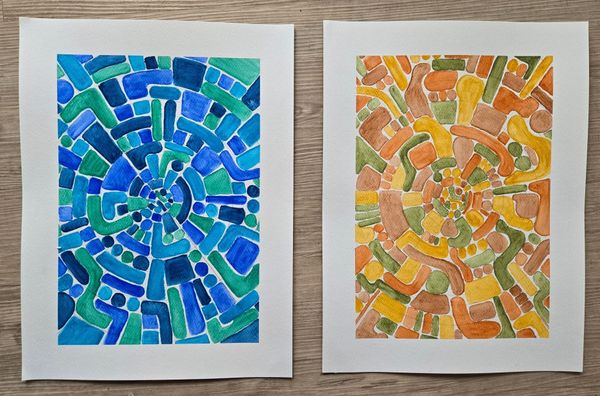
It's true that mandalas hold deep meaning in Hinduism and Buddhism. Buddhist monks spend days building intricate sand mandalas, only to destroy them and pour the sand into water — a stunning image of creation and impermanence. But the circle as a symbol goes back much further than any one religion. Cave paintings tens of thousands of years old already show circular, abstract forms. You'll find mandala-like structures in cathedral rose windows, in the work of artists like Hildegard von Bingen and Wassily Kandinsky, and in nature itself — snowflakes, flowers, even the human eye.
For me, mandalas have never been about religion. I use them for self-discovery, for making sense of chaos, for finding my way back to myself. That's not a spiritual practice in the traditional sense — it's just a human one.
You need to be artistic
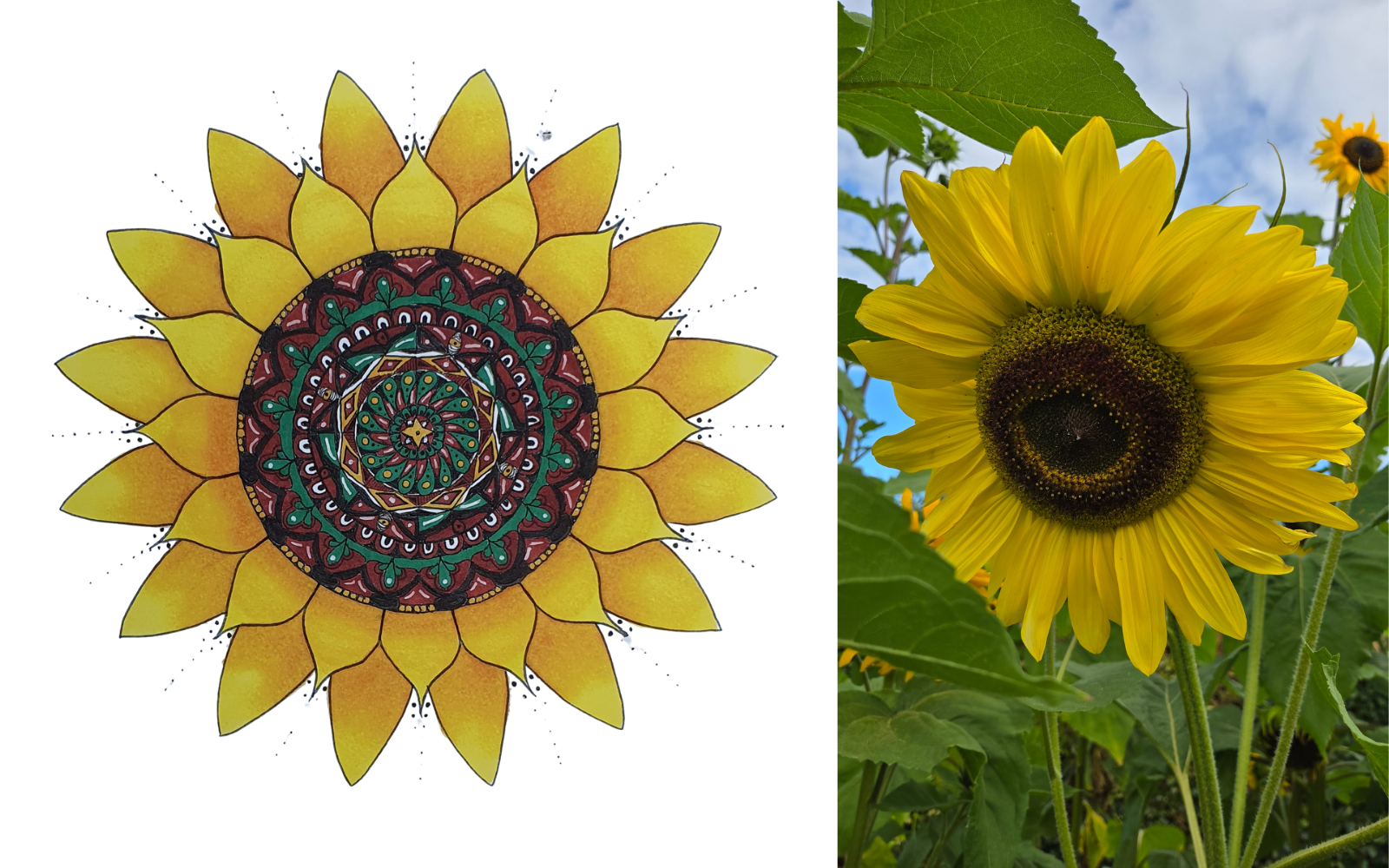
This might be the myth I hear most often: “I could never do that, I can’t even draw a straight line.” Good news: you don’t need to. A mandala doesn’t ask you to draw a face or a landscape. It asks you to make a mark, and then another one, and let the pattern grow from there.
I started out as a doodler — when on the phone, in the margins of my notebooks, in meetings, when commuting.... It was never about skill. It was about the process. You don’t need talent to sit down and colour, layer, or build a circle. You just need to start.
Mandalas are just adult colouring books
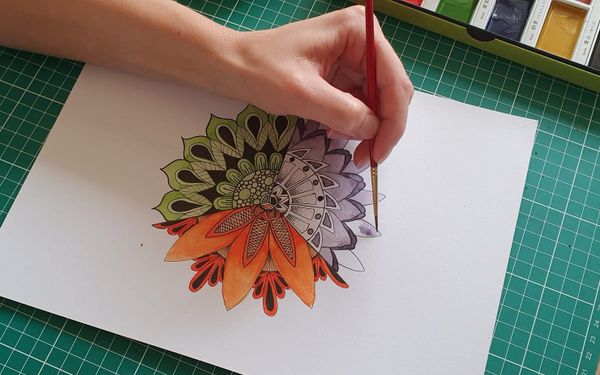
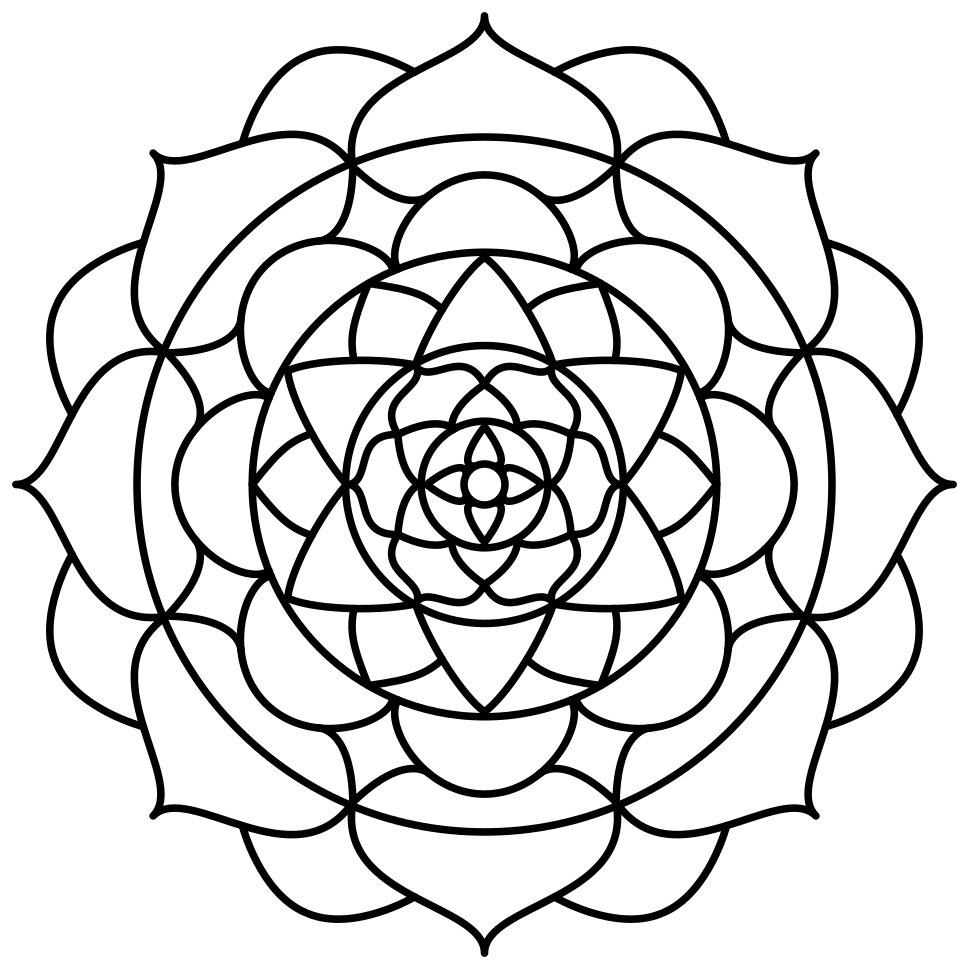
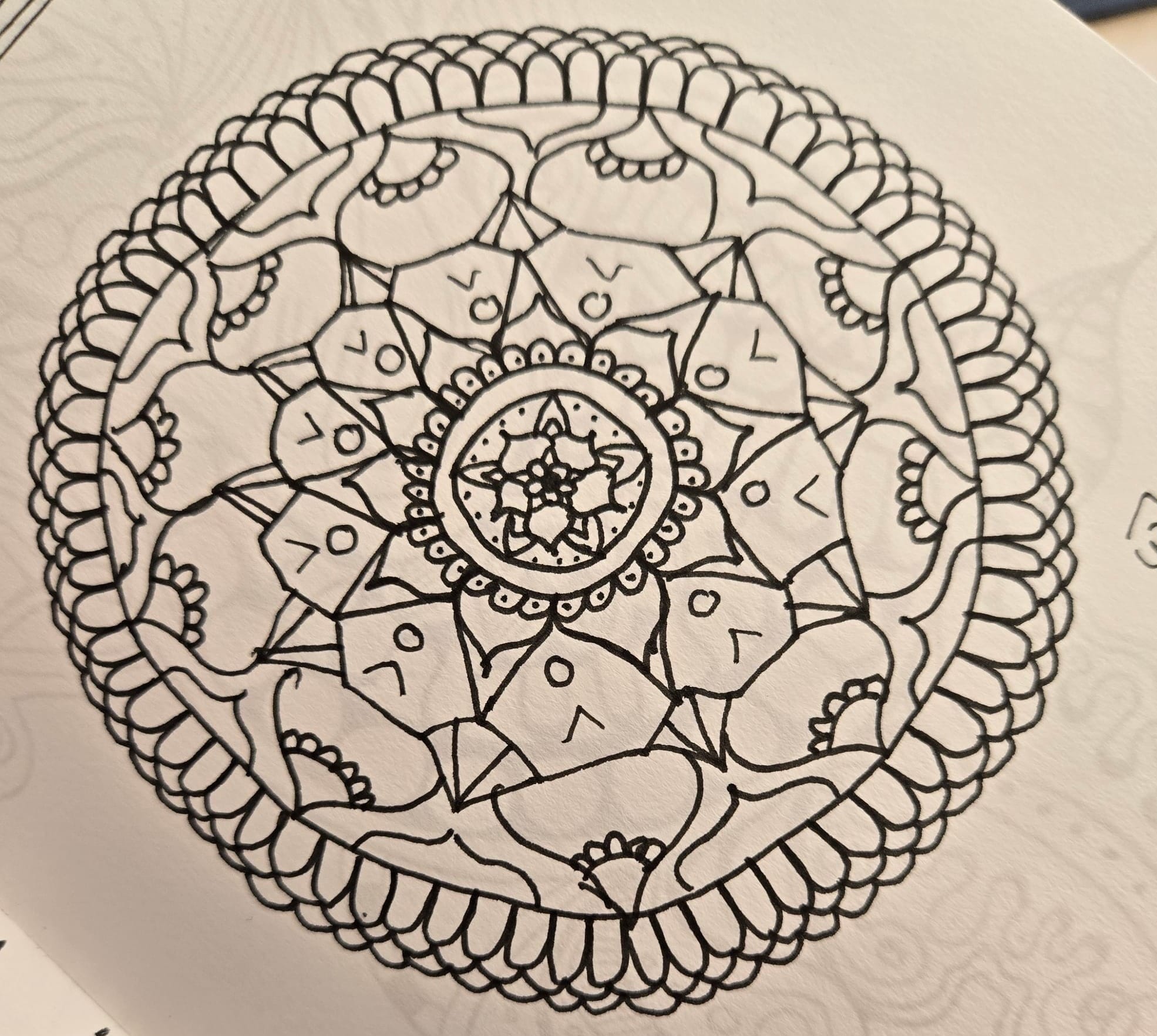
Colouring books are a lovely way in, especially the hand-drawn ones — I still reach for one myself when my head is too full for anything more open-ended. But that’s the beginning, not the whole story.
Working with mandalas more deeply is a skill, the same way meditation is a skill. With practice, it becomes a tool: a way to quiet the noise, find answers you didn’t know you were looking for, and feel more connected to what’s around you. So yes, colouring counts. But it’s the doorway, not the destination.
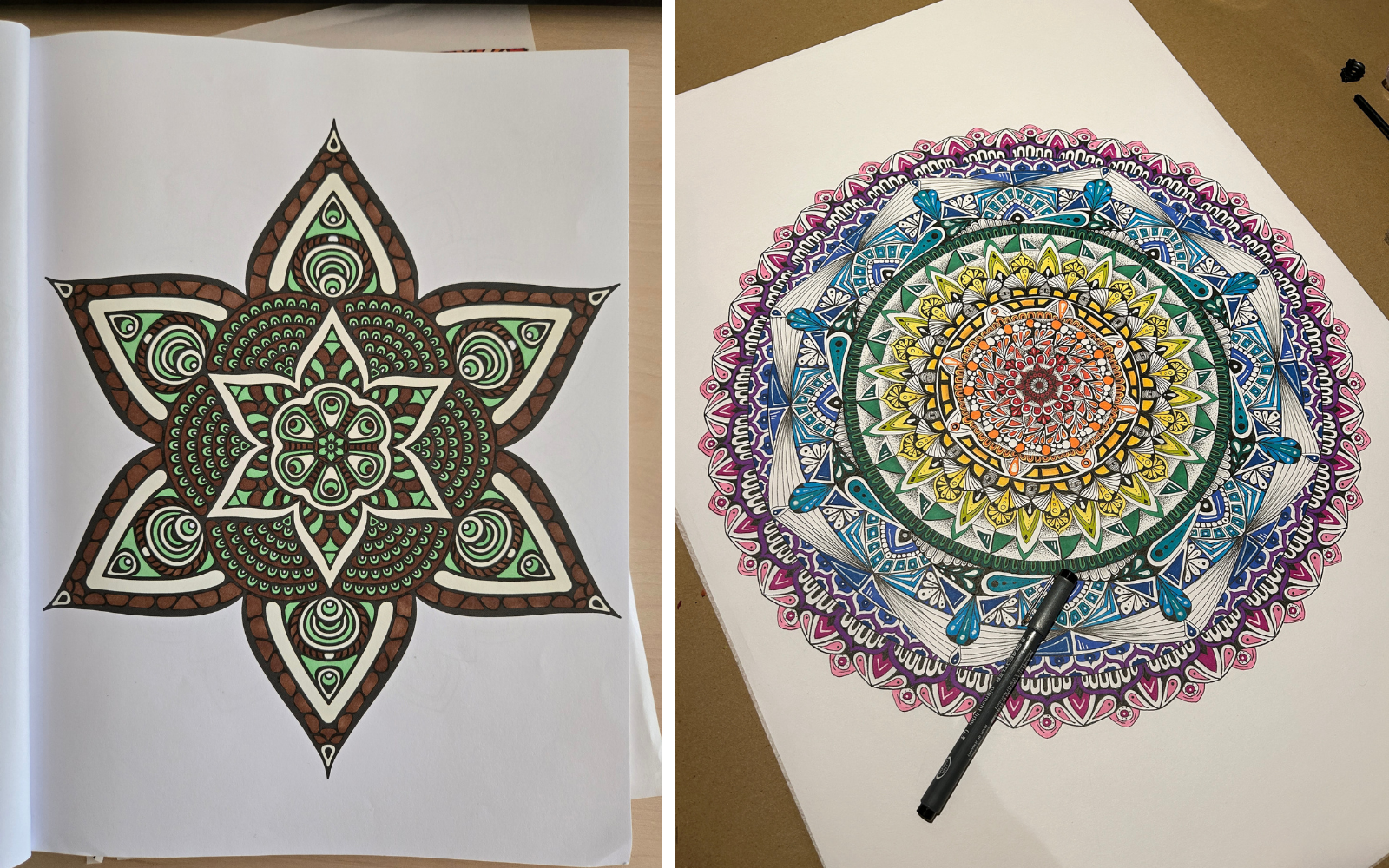
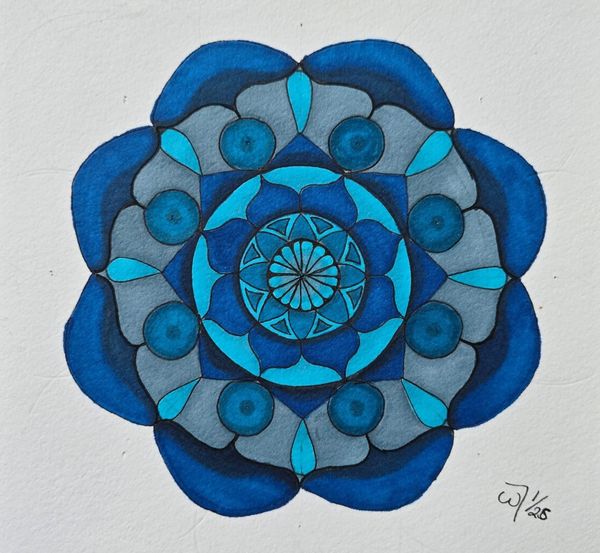
Once, while working on a mandala, I made a mistake. A proper one. I was devastated — the whole pattern felt ruined. Then I thought: what if I repeat that same “error” all the way around the circle? So I did. And it became part of the design. Nobody looking at that mandala today would know it started as a mistake.
That’s when it really hit me: what we perceive as perfection can be full of flaws, depending on who’s judging. Symmetry is beautiful, but it’s not the point. A mandala doesn’t need to be flawless to be whole.
There is one “correct” way to make mandalas
There isn’t. Not one method, one set of tools, one right way to start or finish. Some days I plan every line before I begin. Other days I let the pencil lead and see where it takes me. Both are mandalas. Both are valid. The only real rule is that you let the process guide you — not the other way around.
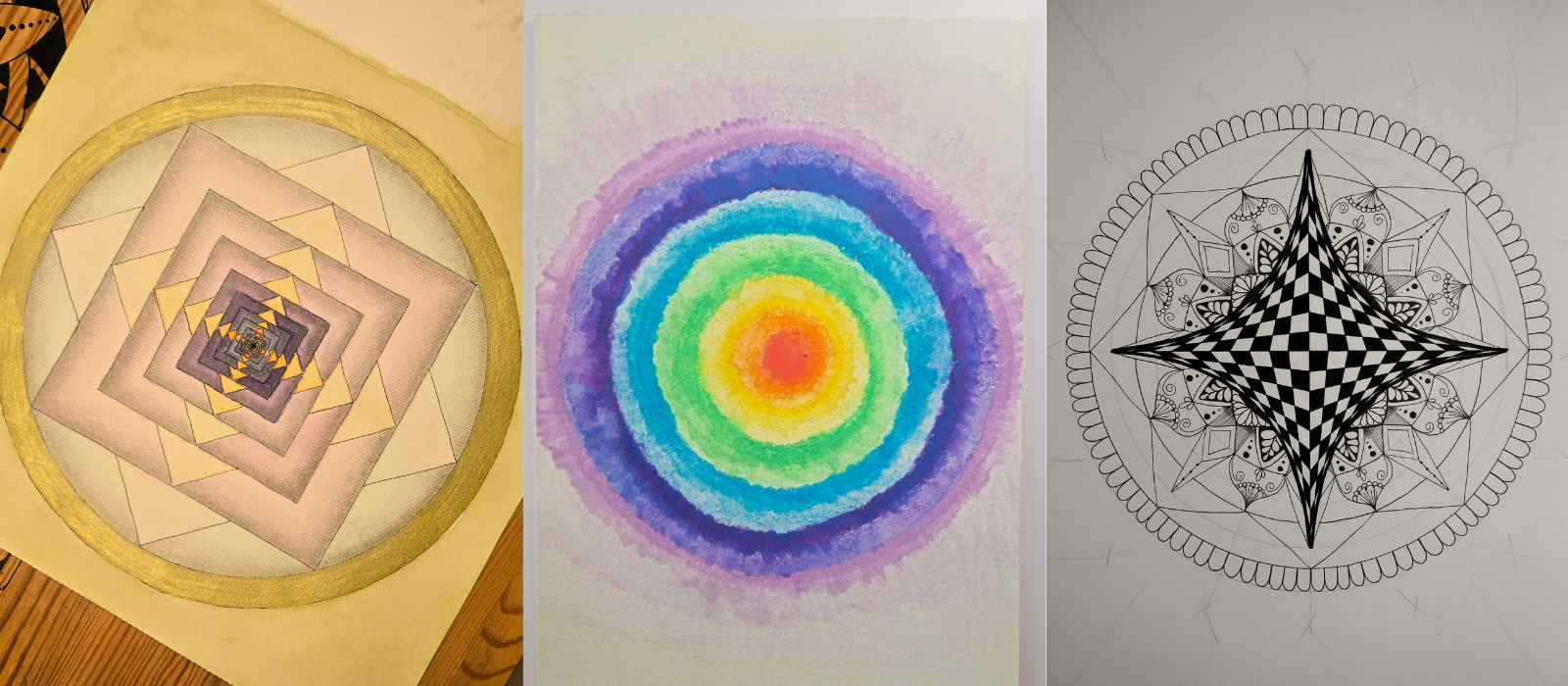
So if you’ve been holding back because you thought mandalas were too spiritual, too artistic, too colouring-book, too perfect, or too “correct” — I hope this shows you it’s simpler than that. Find a mandala that speaks to you, set aside a little time, and let yourself get lost in it.
Sign up to my newsletter to get more inspiration, and be the first to know about new posts and events.
Lena 💜