Maybe you think: “Yes, that’s what I’ve always thought.”
Or maybe you feel a bit provoked, because to you mandalas are much more than that.
And honestly? Both are true.
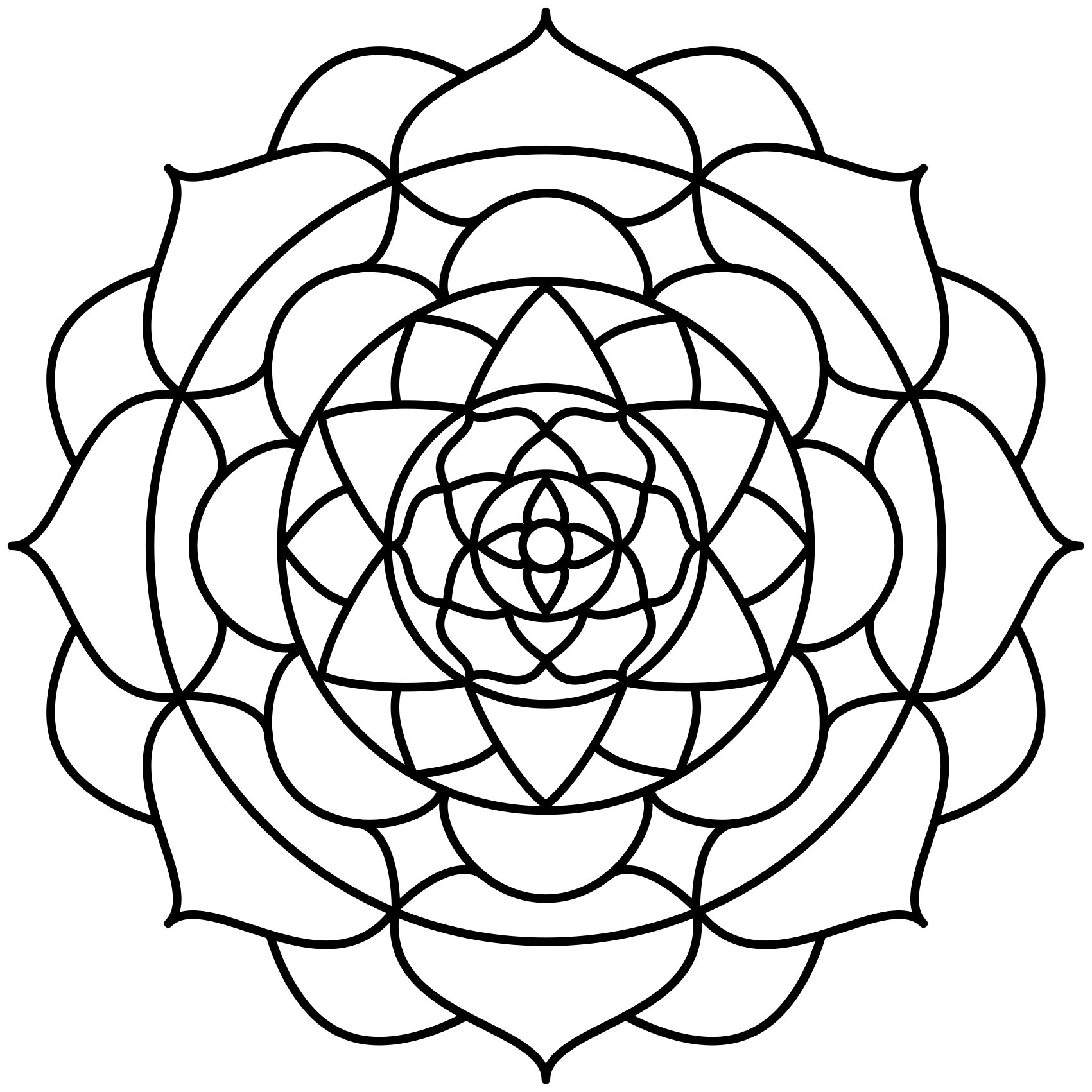
Yes, mandalas are beautiful circles. They are often used as decoration – in wellness spaces or in marketing, where the goal is to create peace and balance. But mandalas also carry a depth that goes far beyond decoration.
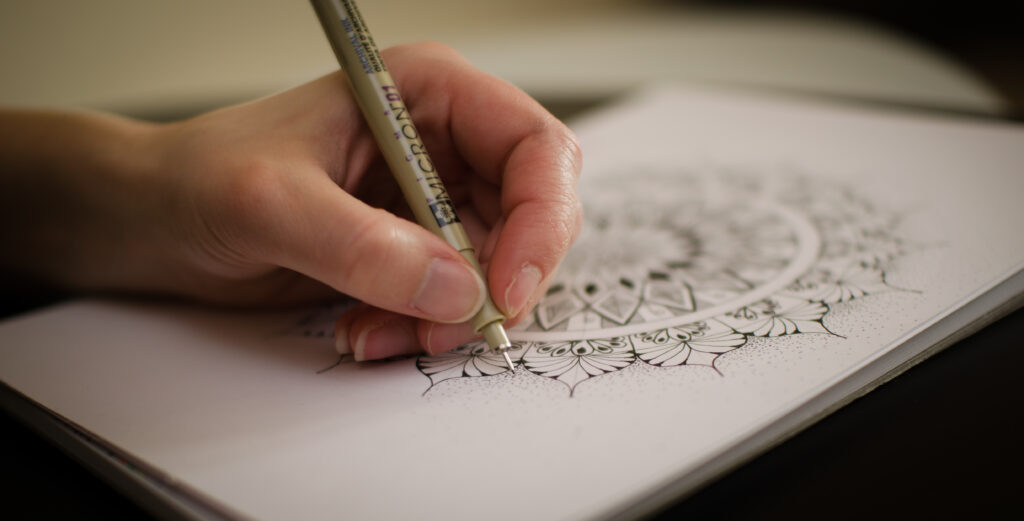
I still remember my mother-in-law looking at one of my pieces and saying: “They are very pretty, but I don’t really get it.” And that’s the thing, most people don’t know that mandalas are so much more than pretty circles.
So what is a mandala?
The word mandala comes from Sanskrit and means “circle.” According to Wikipedia, it’s one of the oldest religious symbols in the world.
Where are mandalas found?
You’ll find mandalas in almost every culture and religion:
– In cathedral rose windows in the West and halos around people in christian paintings
– In meditation practices in the East
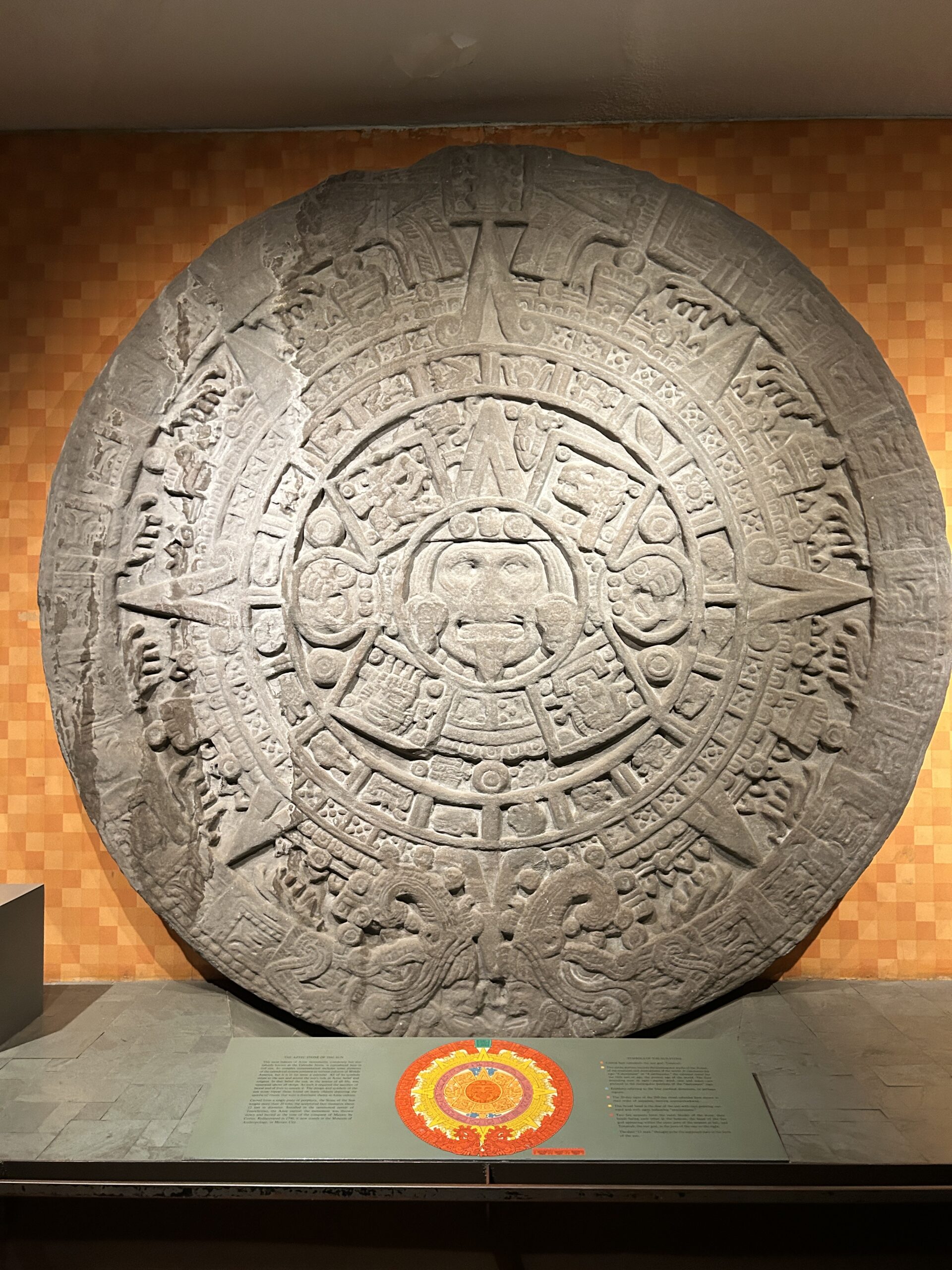
– Among Native Americans, Incas, Mayans, Egyptians, and Aboriginal peoples.
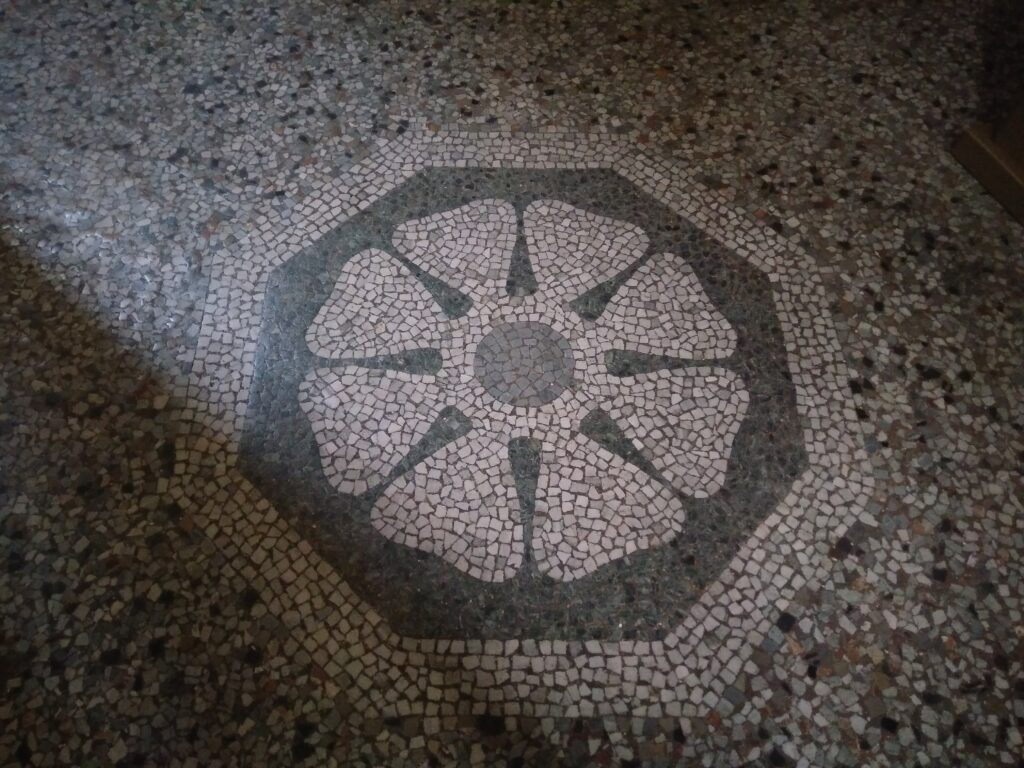
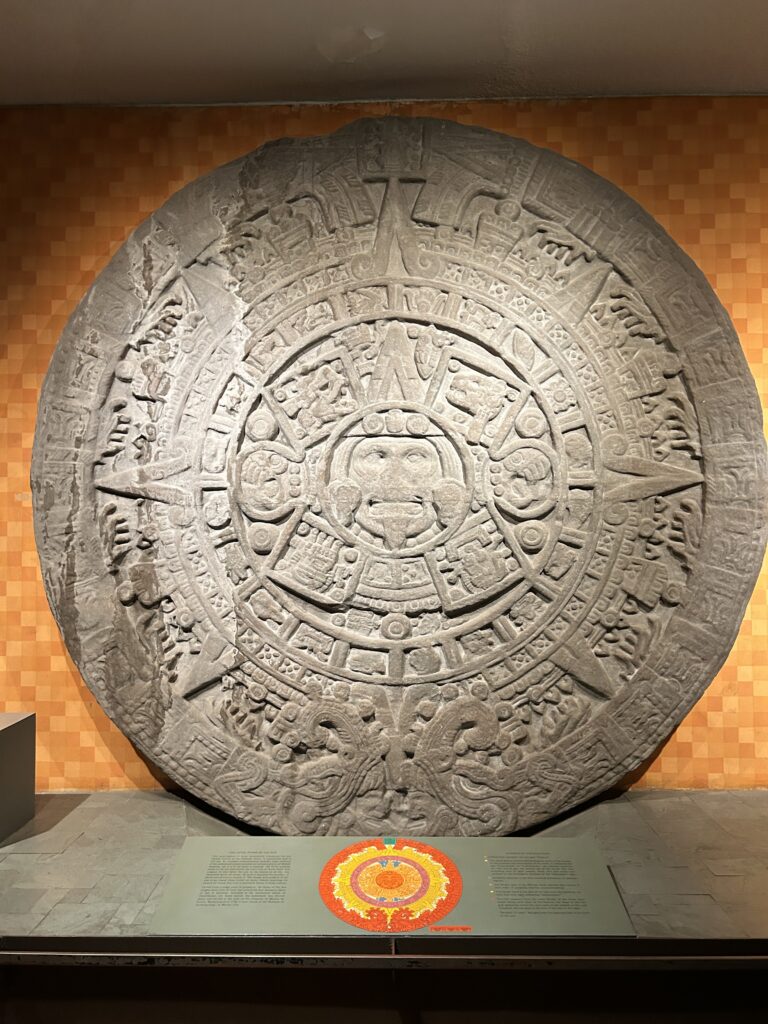

From psychology to education
Swiss psychologist Carl Gustav Jung brought mandalas into Western psychology. To him, they were a tool for exploring the mind and connecting with the deeper layers of consciousness.
In modern pedagogy, mandalas are also powerful. Danish psychologist Anne Kirketerp even developed Craft Psychology, a field that shows how working with your hands can reduce stress, improve focus, and create calm.
That really resonates with me. I’ve always doodled – on the phone, in class, in meetings. For me it’s never been just scribbles. It’s been a way to focus, to listen, and to find peace.
Mandalas in art and nature
Of course, there’s also the artistic side. Mandalas are wonderful to work with, because they can expand endlessly – only your imagination sets the limits. Many artists have even made mandala-inspired patterns their signature. Just take a closer look when you study art works, you might see them yourself.
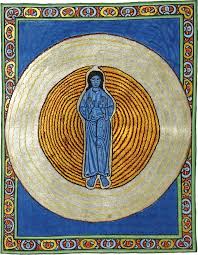
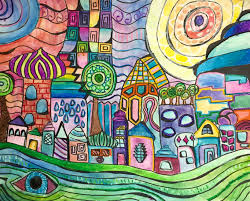
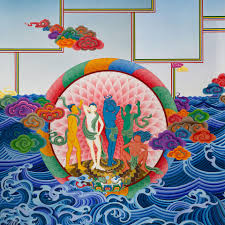
And when you look at nature, it’s no surprise that mandalas feel so universal. You see the same structure in snowflakes, flowers, fruit, the human eye, atoms, our solar system – even the universe itself.
So I find myself asking: “Does everything move towards the same center – or does everything emerge from the same center?” Or “isn’t everything just a fragment in the same structure?”
Big questions, I know.
My personal journey with mandalas
Mandalas have been with me through many stages of my life.
– When I needed relaxation
– When I was sick with stress
– When I received my ADHD diagnosis
– When I felt lost and searching
– When I need to resolve challenges
Each time, they gave me something to hold onto. A way forward. And they still surprise me with new insights.
That’s why I’ve decided to share this journey – and explore the myths about mandalas one by one. Maybe they can give you something too.
👉 If you’d like to join me, sign up for my newsletter and get the newest posts straight to your inbox.
See you 💜
Skriv et svar